
Nature's Masterpiece
Unpacking the Principles of Design All Around Us
10/18/20254 min read
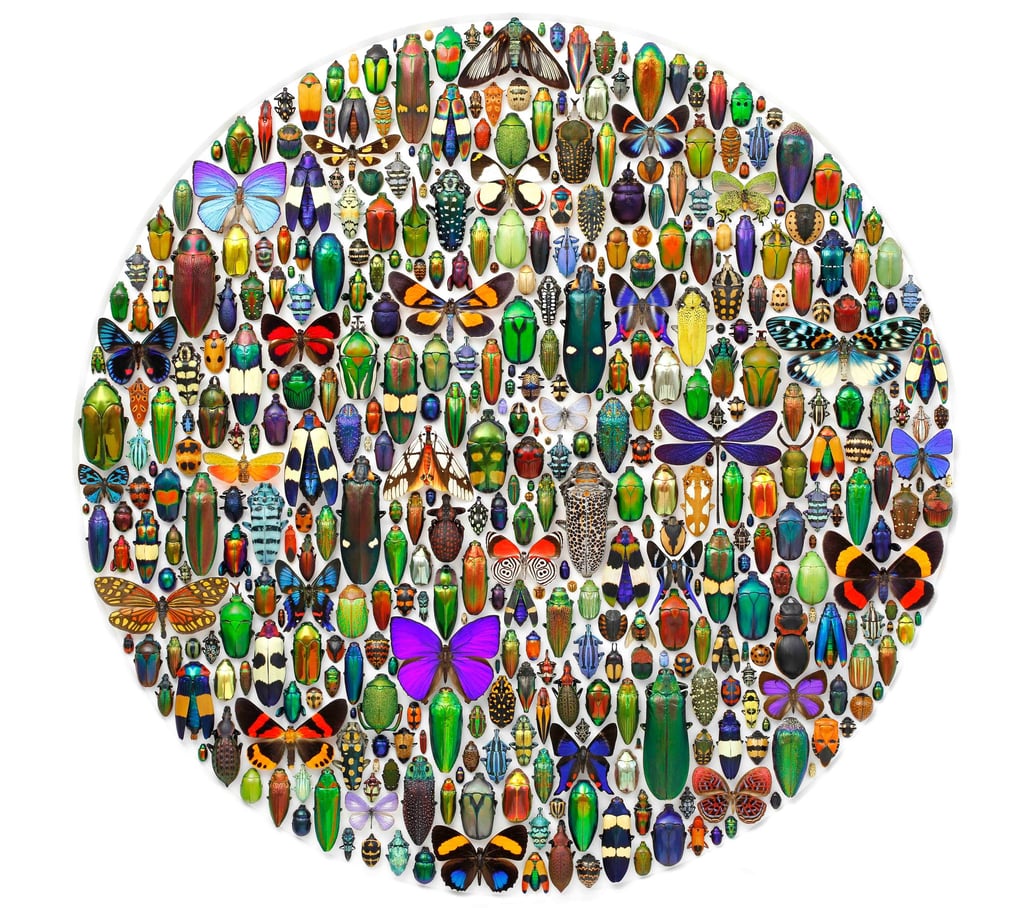
Design isn't just for architects, graphic artists, or fashion mavens; it's the invisible language that structures everything we see, especially in the natural world. From the grand sweep of a mountain range to the intricate veining of a leaf, nature is the ultimate designer, effortlessly weaving together fundamental principles into breathtaking masterpieces. Understanding these elements can transform how we perceive the world, revealing an underlying order and beauty. Let's explore these core principles and discover their ubiquitous presence in nature, with a special nod to the unique perspective of artist Christopher Marley.
1. Balance: Nature's Stable Harmony
Balance in design refers to the visual weight distribution within a composition, creating stability. It can be symmetrical (a mirror image) or asymmetrical (different elements balancing each other).
In Nature:
Symmetrical balance is evident in the perfect halves of a butterfly's wings , the human face, or the reflection of a tree in still water. Asymmetrical balance, however, is more common and dynamic. Think of a large rock on one side of a landscape subtly counteracted by a cluster of smaller trees or a winding river on the other. A towering redwood balanced by the expansive canopy of a neighboring oak, each holding its own visual weight without overpowering the other.
2. Emphasis: The Natural Focal Point
Emphasis is about drawing the eye to a specific area, creating a focal point that stands out from its surroundings.
In Nature:
A vibrant, solitary flower in a field of green instantly commands attention. The dazzling plumage of a peacock is a clear emphatic statement. The sheer scale of a waterfall amidst a calmer forest background naturally creates emphasis, guiding our gaze to its powerful descent.
3. Pattern: Nature's Repeating Motifs
Pattern is the regular repetition of elements, creating a sense of order and visual interest.
In Nature:
The stripes of a zebra, the spots of a leopard, or the intricate arrangement of seeds in a sunflower's head are classic examples of natural patterns . From the cellular structure visible under a microscope to the vast geometric formations of a honeycomb, patterns are the underlying code of life.
4. Repetition: The Echo of Existence
Repetition is closely related to pattern but can be more varied. It involves using the same element multiple times to create unity and rhythm, often without strict regularity.
In Nature: The countless leaves on a tree, each slightly different yet clearly a leaf , demonstrate repetition. The waves crashing on a shore, or the individual scales on a fish, all show elements repeating with subtle variations. It's the visual echo that reinforces a theme.
5. Proportion: The Scale of Existence
Proportion refers to the relative size and scale of various elements within a design, and their relationship to the whole. The Golden Ratio, a mathematical proportion (approximately 1.618), frequently appears in nature, suggesting an inherent aesthetic.
In Nature:
The spiral of a nautilus shell unfurls according to the Golden Ratio, as do the branching patterns of trees, the unfurling of fern fronds, and the arrangement of petals on many flowers. Christopher Marley's work in Pheromone, the Insect Art of Christopher Marley beautifully highlights proportion; the meticulous arrangement of insect specimens side-by-side allows us to appreciate the subtle and dramatic proportional differences between species, turning scientific observation into high art.
6. Rhythm: Nature's Visual Flow
Rhythm is created by the organized movement of the eye through a design, often through the repetition and variation of elements. It can be flowing, regular, or progressive.
In Nature:
The rolling hills of a landscape, the undulating flight of a flock of birds, or the progression of ripples in a pond all create a sense of rhythm . The changing sizes of stones in a riverbed, gradually diminishing from large boulders to pebbles downstream, create a progressive rhythm.
7. Variety: The Spice of Life (and Design)
Variety introduces diversity and contrast to a design, preventing monotony and adding visual interest. It's the counterpoint to unity.
In Nature:
A forest ecosystem perfectly illustrates variety: towering trees, delicate ferns, moss-covered rocks, winding streams, and diverse wildlife all coexist, each distinct yet contributing to the whole . The varied textures, colors, and shapes of autumn leaves on a single branch showcase incredible natural variety.
8. Unity: Nature's Cohesive Whole
Unity is the overarching principle that ties all the other elements together, making the design feel complete, harmonious, and as if all parts belong together.
In Nature:
Despite the immense variety within an ecosystem, the natural world often presents a profound sense of unity. A vast desert, with its monotonous sand and sparse vegetation, still evokes a powerful sense of unity in its starkness . Even a bustling coral reef, with its riot of color and life, forms a cohesive, interdependent whole.
Christopher Marley's work profoundly demonstrates unity through careful arrangement. In Pheromone, he doesn't just display individual insects; he creates unified compositions where hundreds of specimens, sometimes from different species, are arranged into a single, cohesive, breathtaking piece of art, showcasing their individual beauty while creating a powerful, singular visual statement.
Conclusion
The natural world serves as an endless textbook for design principles. By observing the subtle interplay of balance, emphasis, pattern, repetition, proportion, rhythm, variety, and unity in everything from a spiderweb to a rainforest, we gain a deeper appreciation for the artistry that surrounds us.
Artists like Christopher Marley, who meticulously curate and present these natural wonders, help us see this inherent design more clearly, transforming scientific specimens into profound meditations on nature's unparalleled aesthetic genius. The more we look, the more we realize that every aspect of nature is a testament to perfect design.