
The Unplugged Classroom
Why Nature is the Single Best Investment in Your Child's Development
11/24/20253 min read
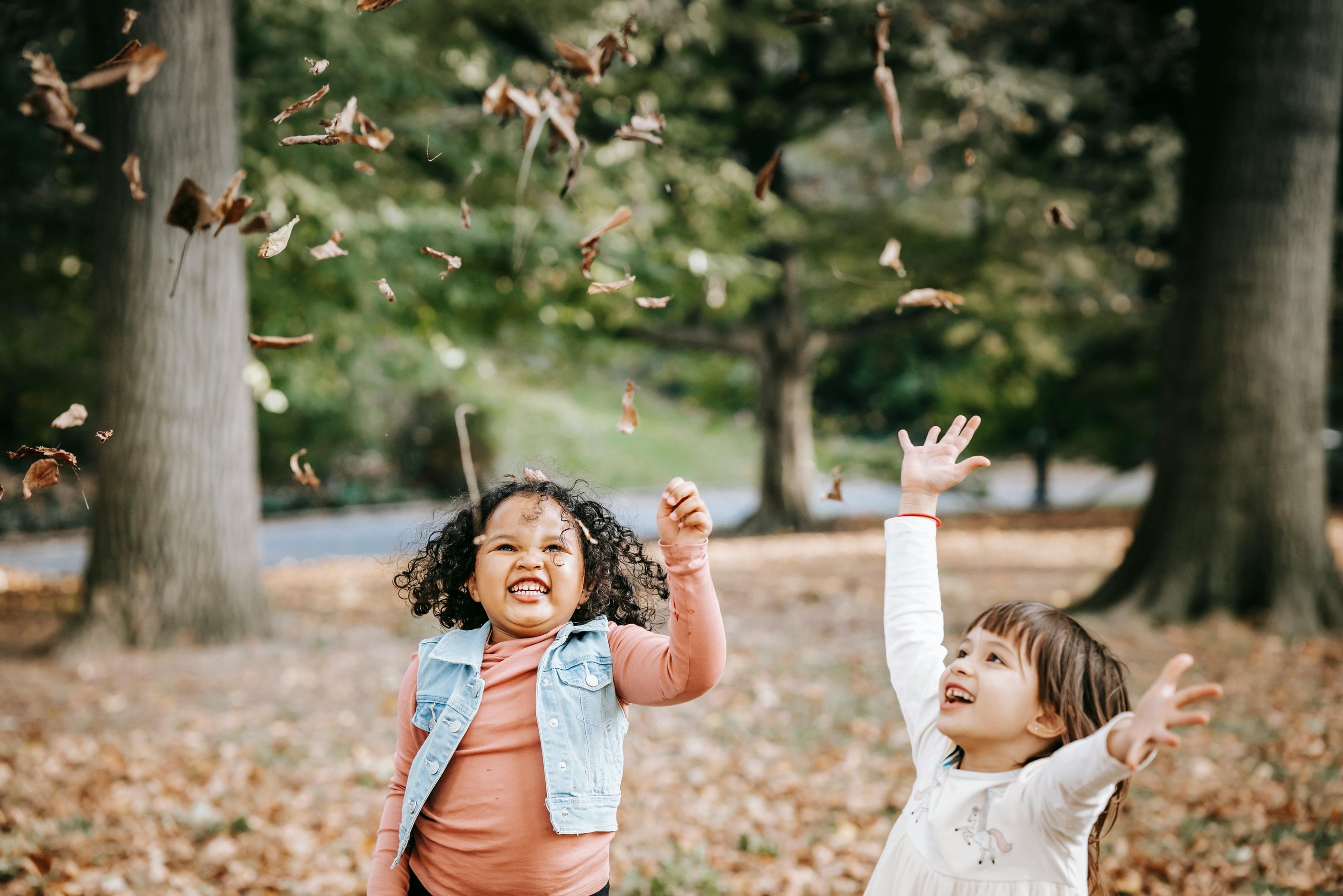
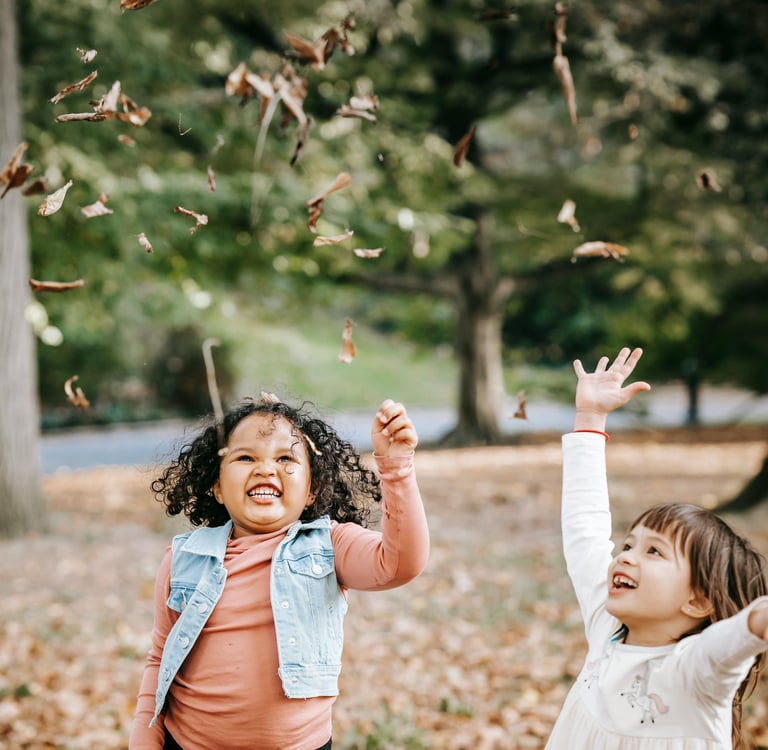
In a world dominated by screens, schedules, and structured activities, many children are missing out on the most ancient and essential classroom of all: the great outdoors. This isn't just about having fun—it's a critical component of healthy development.
If you've ever felt a pang of nostalgia for the days of scraped knees and mud pies, you're not alone. The overwhelming body of research supports a powerful truth: Nature is not a luxury for a child; it is an absolute necessity.
Here’s a deeper look at why stepping outside is the most profound gift you can give your child.
1. The Ultimate Gym: Physical & Sensory Development
Forget expensive toys—nature provides the best playground for a child's body and senses.
Boosted Physical Health: Running, climbing, jumping, and navigating uneven terrain in natural settings builds core strength, coordination, and motor skills that structured indoor activities often miss. Regular exposure to fresh air and sunlight (Vitamin D) also supports immune system function and can help combat rising rates of childhood obesity.
A Feast for the Senses: Nature is a rich, multi-sensory environment. The texture of tree bark, the sound of chirping birds, the smell of damp earth, and the shifting patterns of light and shadow engage a child’s sensory system simultaneously. This exposure is vital for cognitive processing and helping children regulate their bodies and emotions.
2. Sharpening the Mind: Cognitive and Creative Power
The unstructured, complex environment of nature is a direct stimulant for the brain.
Enhanced Focus and Attention: Studies have shown that spending time in green spaces can significantly improve a child's executive functioning skills—which include planning, prioritization, and sustained attention. For children struggling with attention deficit issues, time spent outdoors can act as a natural, calming therapy.
Unleashed Creativity: Unlike indoor play, nature offers endless possibilities with limited props. A log can be a bridge or a pirate ship; a stick can be a magic wand or a tool. This unstructured, open-ended play encourages imagination, problem-solving, and critical thinking skills.
Science in Action: Nature turns learning into a hands-on experience. Observing an ant carrying a crumb, watching a seed sprout, or feeling the force of the wind teaches children foundational concepts in biology, physics, and weather in a way a textbook never could.
3. Nurturing the Soul: Emotional and Social Growth
The emotional benefits of nature are arguably the most essential in our fast-paced modern world.
Stress Reduction and Calm: Research indicates that time in nature is associated with lower levels of the stress hormone cortisol. Green spaces provide a break from the overstimulation of the indoor environment, promoting emotional regulation and a sense of calm and peace.
Building Independence and Social Skills: Whether building a fort or collecting rocks, nature play often requires collaboration, negotiation, and teamwork. Children learn to share, resolve conflicts, and take turns without adult direction. It fosters independence and self-confidence as they safely navigate and assess risks in their environment.
Fostering Stewardship: The deepest and most enduring connection children can make is to the world around them. Early experiences in nature instill a sense of awe, respect, and responsibility for the planet. This connection is the foundation for becoming environmentally conscious citizens later in life.
Your Prescription for nature:
The evidence is clear: when children connect with nature, they are healthier, happier, and more prepared for life's challenges.
Small doses of nature every day can have a profound impact.
Here are a few simple ways to incorporate nature into your family routine:
The Daily Five Minutes: Encourage your child to find a "sit spot" in the yard or a local park where they can quietly observe the world around them for just five minutes.
Take Learning Outdoors: Read a book under a tree. Practice counting by collecting sticks or pinecones.
Embrace the Mess: Let your kids dig in the dirt, splash in puddles, or build with mud. The mess is a sign of meaningful development!
Walk and Talk: Turn errands into opportunities for observation. Point out the clouds, listen for birds, or look for different types of leaves on the walk to the store.
Look for informal learning experiences such as visiting a public garden, exploring science and nature museums or exhibits, or going to a wildlife rescue.
Create personal hands-on experiences such as planting a garden or caring for pets.
In a world that increasingly pulls children indoors, making a deliberate effort to get outside is one of the most powerful and low-cost investments you can make in your child's physical health, mental well-being, and future success. Unplug the devices, open the door, and let the greatest classroom begin!
Source Cited:
Why Kids Need to Spend Time in Nature by Danielle Cohen
https://childmind.org/article/why-kids-need-to-spend-time-in-nature/